
Why September Is a Smart Time to Diagnose Battery and Charging Problems in Adelanto Work Trucks
September heat can reveal battery and charging problems caused by months of High Desert conditions. Adelanto work trucks may experience slow cranking, no-starts, warning lights, or recurring dead batteries. Proper electrical testing can identify weak batteries, alternators, cables, grounds, and parasitic drains before they cause costly downtime.
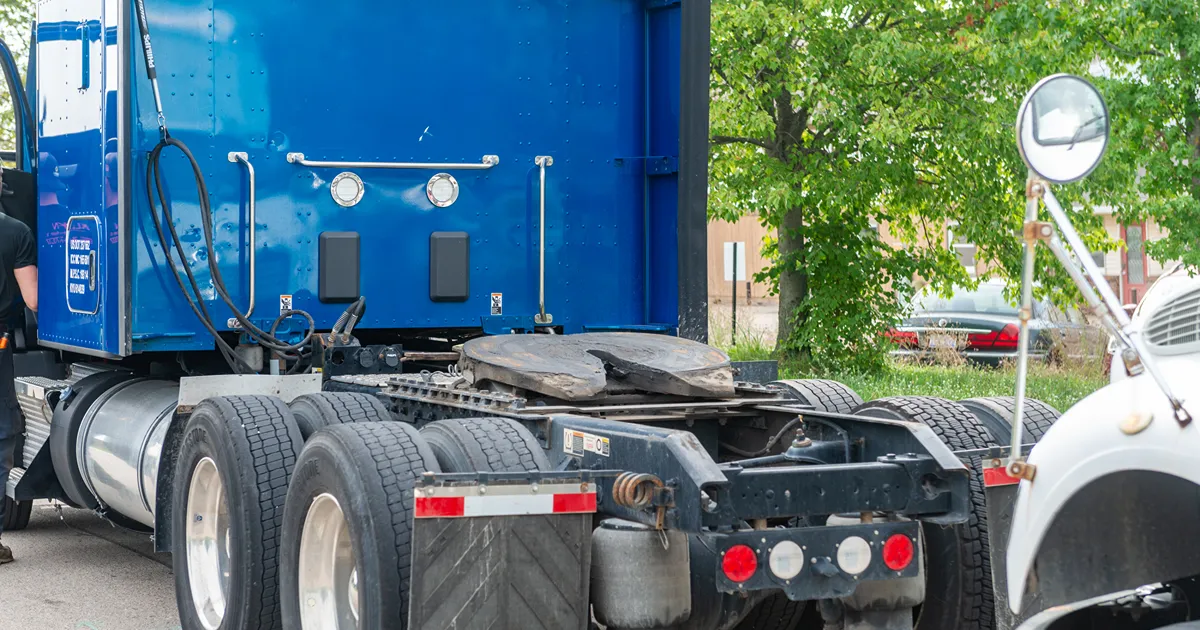
September heat in Adelanto can expose batteries and charging systems weakened by a long High Desert summer. Learn which electrical problems cause slow cranks, warning lights, no-starts, and costly work-truck downtime and how proper testing finds them early.
September may be on the calendar, but Adelanto’s summer heat has not exactly packed its bags. After months of hot afternoons, repeated starts, long idle periods, and heavy accessory use, your truck’s electrical system may already be running on borrowed time.
The problem is often accumulated heat damage rather than an abrupt September failure. Testing your battery and charging problems now can reveal weakening components before a slow crank turns into a no-start on US 395 or another busy work route.
Why Does September Heat Matter for Work-Truck Batteries in Adelanto?
Adelanto remains hot through much of September, with daytime temperatures commonly lingering near 90°F before easing later in the month. That prolonged High Desert heat can accelerate battery deterioration and increase stress on other underhood electrical components.
A battery may still crank the engine even after losing meaningful reserve capacity. Then one heavier-than-normal electrical load—or a cooler morning after a hot afternoon—pushes it over the edge.
That makes September a practical diagnostic window. Your truck has already endured months of summer stress, but you still have time to uncover problems before they create an unexpected breakdown.
Which Adelanto Work Trucks Face the Most Electrical Stress?
Local work trucks rarely enjoy easy duty cycles. Medium- and heavy-duty diesel trucks, delivery vehicles, contractor trucks, service units, and warehouse fleet vehicles may start and stop repeatedly throughout a shift.
Routes such as US 395 and Palmdale Road/SR 18 connect commercial and industrial areas with the wider Victor Valley. A truck that starts reliably in the yard but develops an electrical failure after leaving the property can quickly create schedule problems, missed deliveries, and labour costs.
Local industrial fleets may also operate accessories that place steady demand on the charging system, including:
- Liftgates and hydraulic controls
- Telematics and GPS equipment
- Cameras and radios
- Auxiliary lighting
- HVAC systems and cooling fans
- Inverters and auxiliary electronics
- Refrigeration or specialized body equipment
For warehouse and distribution vehicles, frequent starts combined with idle time can be especially demanding.
What Are the Most Common September Battery and Charging Problems?
1. Summer Heat and Battery Deterioration
Extended heat can accelerate internal battery deterioration. By September, a heat-damaged battery may still start the truck while holding less reserve energy than it did earlier in the season.
That is why waiting for a complete no-start is risky. A battery load test or conductance test can identify declining performance while the truck is still operational.
Watch for slower cranking, intermittent starts, dimming electrical accessories, or electrical problems that appear after the truck has been sitting.
2. Weak Alternator Output Under Electrical Load
An alternator may appear normal under light electrical demand yet struggle when the truck’s real working load is applied.
Lights, HVAC, cooling fans, liftgates, communication equipment, and other accessories can expose weak alternator output. Technicians can measure charging voltage and alternator performance under load rather than relying solely on whether the battery warning light is illuminated.
Because the alternator powers the electrical system and recharges the battery while the engine runs, weak charging performance can eventually leave the truck operating on battery power alone. Once that stored energy is depleted, the truck cannot continue operating normally.
3. Hidden Resistance in Cables and Connections
A cable can look perfectly fine and still cause trouble.
Loose battery terminals, damaged cables, corroded connections, or poor grounds create resistance that restricts current flow. Rather than guessing based on appearance, technicians can perform voltage-drop testing across the positive and ground sides of the starting and charging circuits.
That matters on trucks working around Adelanto’s dry, dusty industrial corridors. Dirt may be obvious, but resistance hidden inside a cable or connection often is not.
A high-resistance connection can cause symptoms that look remarkably similar to a bad battery or failing starter.
4. Parasitic Drains From Aftermarket Equipment
A parasitic electrical draw occurs when equipment continues consuming more electrical power than expected after the truck is shut down.
Modern work trucks may carry telematics, cameras, radios, trackers, auxiliary lighting, inverters, and other aftermarket systems. One incorrectly wired or malfunctioning accessory can drain a marginal battery while the truck sits overnight or between shifts.
Parasitic-draw testing measures current consumption with the truck shut down. The technician can then isolate the circuit responsible rather than repeatedly replacing batteries that were never the root cause.
5. Multiple Causes of Slow Cranking
A slow crank may result from a weak battery, excessive resistance in the cables, poor grounds, a failing starter, or inadequate charging that never restored the battery after the previous trip. That is why starting and charging system diagnostics should evaluate the complete circuit.
Useful tests include battery state-of-charge testing, starter current-draw testing, charging-output measurements, and circuit voltage-drop checks. Together, those results help separate a battery problem from a starter, cable, ground, or alternator fault.
Which Electrical Tests Should Adelanto Fleet Operators Prioritize?
Good diagnostics replace parts swapping with measurable evidence. When your truck shows slow cranking, intermittent no-starts, charging warnings, or unexplained electrical faults, a technician may perform several checks.
Key diesel electrical diagnostics include:
- Battery state-of-charge and conductance or load testing
- Alternator charging-voltage and output testing
- Voltage-drop testing across positive cables and ground circuits
- Starter current-draw testing
- Parasitic-draw testing
- Battery cable, terminal, and ground inspections
- Scan-tool checks when low voltage may be affecting electronic modules
One detail deserves extra attention: low system voltage can create multiple fault codes or misleading electrical symptoms. Verifying battery voltage and charging-system performance early in the diagnostic process can prevent technicians from chasing unrelated codes before addressing the underlying voltage problem.
How Can Electrical Problems Cause Downtime on US 395 and SR 18?
An intermittent electrical issue rarely chooses a convenient place to become permanent.
A service truck travelling US 395, a delivery vehicle operating along Palmdale Road/SR 18, or a contractor truck moving between Rancho Road and local industrial properties can go from “started a little slowly this morning” to a stranded vehicle surprisingly quickly.
That is why fleet preventive maintenance matters. Preventive maintenance focuses on identifying developing failures before they become breakdowns, helping operators reduce unscheduled downtime and extend vehicle service life.
September offers a logical opportunity to inspect electrical health after peak summer conditions have already stressed the system.
Does Electrical System Health Matter for California Clean Truck Check?
For applicable California heavy-duty vehicles, reliable electrical operation can also support accurate electronic diagnostics.
CARB’s Clean Truck Check program covers most applicable diesel and alternative-fuel heavy-duty vehicles over 14,000 pounds GVWR operating on California public roads. For OBD-equipped vehicles, stable system voltage helps onboard computers, sensors, and emissions monitors operate properly.
Battery testing itself is not a Clean Truck Check requirement. Still, resolving low-voltage problems before troubleshooting check-engine lights or readiness concerns can help technicians avoid confusing electrical symptoms with separate emissions-system faults.
Catch Electrical Trouble Before It Becomes an Adelanto No-Start
September gives Adelanto fleet operators an unusually useful snapshot of electrical health. Summer heat has already tested your batteries, cables, starters, and alternators, while cooler overnight temperatures may begin revealing components that no longer have much margin left.
Rather than replacing a battery based on symptoms alone, test the entire starting and charging system. Battery condition, alternator performance, cable resistance, starter draw, and parasitic loads all matter when uptime is the goal.
If your work truck is cranking slowly, showing charging warnings, losing battery power while parked, or producing unexplained electrical faults, call our team at (909) 782-8798 and schedule your truck diagnostics service today.
FAQs
How often should a work-truck battery and charging system be tested?
Testing should be included when symptoms appear and can also be incorporated into preventive maintenance. Trucks exposed to sustained heat, frequent starts, heavy accessory use, or repeated short-duty cycles may benefit from more frequent electrical-system checks.
What are the signs of a failing truck alternator?
Common signs include a charging-system warning, dim or fluctuating lights, recurring discharged batteries, abnormal electrical behaviour, or voltage that drops when multiple accessories operate. Proper output testing is needed to confirm the cause.
Can a bad ground make a truck seem like it has a weak battery?
Yes. Excessive resistance in a ground cable or connection can restrict current and cause slow cranking, voltage problems, or intermittent electrical faults. A voltage-drop test can identify resistance that may not be obvious during a visual inspection.
Why does my work truck battery die after sitting overnight?
A weak battery may no longer hold sufficient charge, or an electrical device may continue drawing current with the truck shut down. A parasitic-draw test can help distinguish between battery deterioration and an unwanted electrical load.
Can low battery voltage cause multiple fault codes?
Yes. Low or unstable voltage can affect electronic modules and produce multiple or misleading faults. Battery and charging-system health should be verified before assuming every stored code indicates a separate failed component.
Don't Take our word for it.
Read Customer Testimonials.
"It was an amazing experience doing business with Loyal Brothers. They do fantastic work and they will be my go to shop moving forward. As an owner/operator we spend a lot of money on upkeep and maintenance so it's nice to have a shop you can trust. Highly recommend."
"We’ve had all four of our trucks serviced here, and I honestly can’t say enough good things about this shop. They’re fair, quick, and always willing to work with us to get the job done right. Communication is solid, turnaround times are great, and they never try to upsell or push unnecessary repairs. It’s hard to find a diesel mechanic you can truly trust, and this team has proven over and over that they’re dependable and honest. Highly recommend them to anyone!"
"Loyal Brothers has helped us with service on several of our trucks and lifts, and every experience has been solid. Excellent service, quality work, and clear communication throughout the process. You can tell they take pride in what they do. Highly recommend"